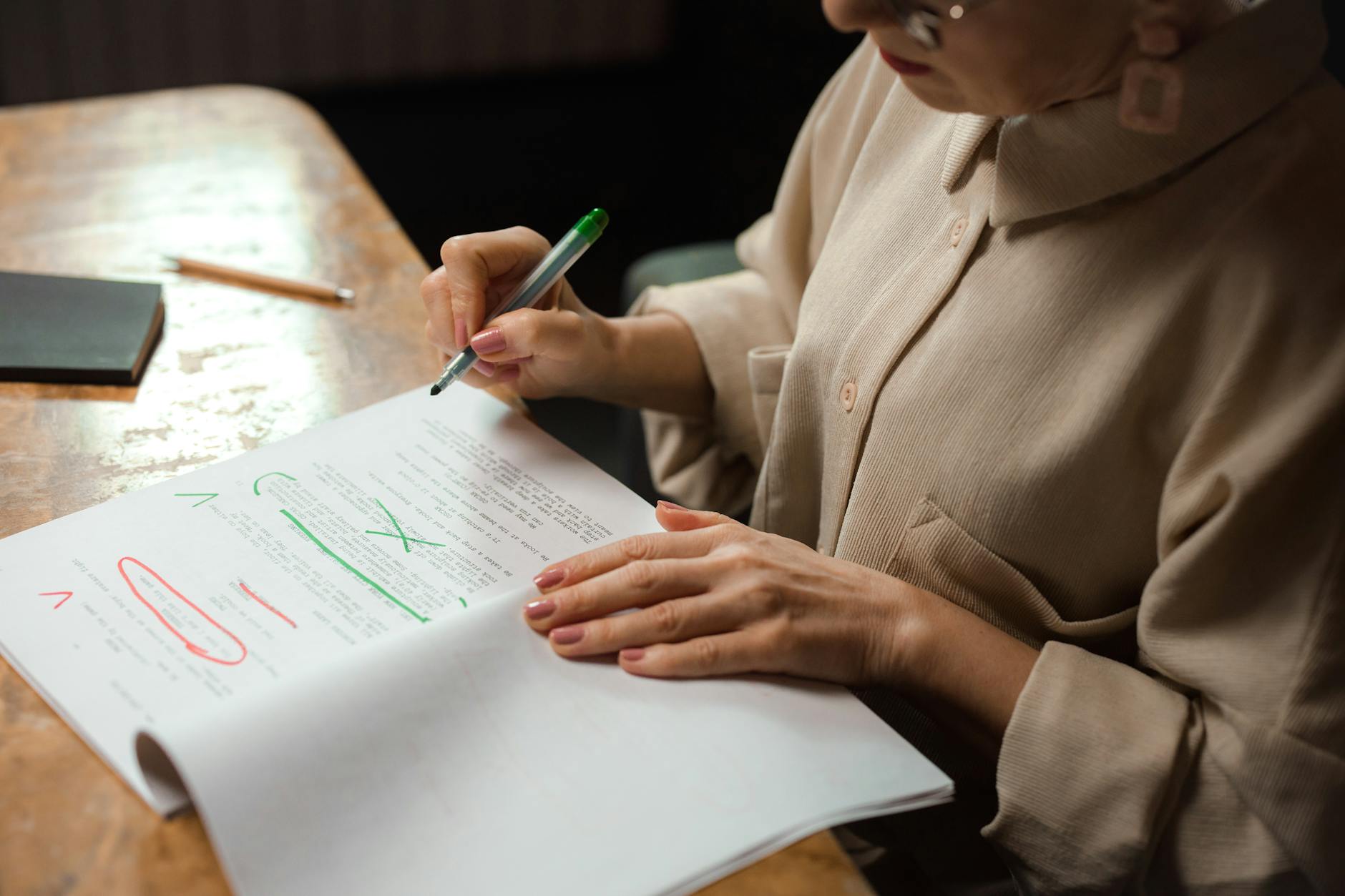
June 21, 2024– As writers, we’ve all experienced the frustration of spotting a glaring typo in our work only after it has been shared or even published! Sometimes the typo can even be missed by multiple people who have read it. It can be perplexing – how did we miss something so obvious? Understanding why our brains gloss over these mistakes and learning effective self-editing strategies can help us improve the quality of our writing.
Why Do We Miss Our Own Typos?
- Top-Down Processing: Our brains are wired to understand context and predict what comes next. When reading, we use top-down processing to fill in gaps based on our knowledge and expectations. This cognitive shortcut helps us read faster but can also cause us to overlook small errors.
- Expectation and Familiarity: When we’re familiar with a text, especially if we wrote it, we tend to see what we expect to see. This expectation creates a cognitive bias that makes it difficult to spot mistakes because our brain automatically corrects them.
- Efficiency and Speed: Reading is a complex and automatic process. Our brains recognize whole words and phrases rather than individual letters, which allows for efficient reading but also makes it easy to miss minor errors like typos.
- Editing Blindness: This phenomenon occurs when we become too familiar with our writing. Our brain “remembers” what we intended to write and fills in the correct information, leading to a kind of blindness to actual errors present in the text.
- Mental Correction: Our brains are adept at correcting minor mistakes on the fly. For example, if letters in a word are transposed or a word is missing, our brain often adjusts and interprets the text correctly without us consciously realizing the error.
How to Improve Self-Editing
- Take a Break: Distance yourself from your writing before editing. Taking a break, even for a few hours, can help you return with fresh eyes and a clearer perspective, making it easier to spot mistakes.
- Change the Format: Altering the way your text appears can help you see it differently. Print it out, change the font or text size, or read it on a different device. This visual shift can make errors more noticeable.
- Read Aloud: Reading your text aloud forces you to slow down and pay attention to each word. This method helps you catch awkward phrasing, missing words, and typos that you might otherwise overlook.
- Use Tools: Leverage spelling and grammar checking tools to catch errors. While these tools aren’t foolproof, they can help identify mistakes you might miss. Tools like Grammarly or Hemingway can be particularly useful.
- Backward Reading: Read your text backward, starting from the last sentence and moving to the first. This unconventional method breaks the flow and makes you focus on individual words and sentences, making it easier to spot errors.
- Peer Review: Enlist a friend or colleague to review your work. A fresh pair of eyes can catch mistakes you might miss. Feedback from others can also provide valuable insights into areas where your writing can improve.
- Edit in Stages: Break down the editing process into stages. Focus on different aspects of your writing separately, such as spelling and grammar in one pass, and clarity and coherence in another. This targeted approach ensures thorough editing.
- Use Checklists: Create an editing checklist tailored to your common mistakes. Having a structured approach can help you systematically address potential issues in your writing.
Missing typos in our writing is a common issue rooted in how our brains process information. By understanding the cognitive reasons behind this and implementing effective self-editing strategies, we can enhance the quality of our work. Remember, writing is a process, and diligent self-editing is a crucial step toward producing clear, error-free content. Happy editing!